
In today’s interconnected globe, pupil neighborhoods play an essential role in shaping academic and personal experiences.

These areas are not just collections of people yet are dynamic ecological communities that foster development, finding out, and collaboration among pupils. They differ extensively in type and function, from campus-based groups to worldwide on the internet discussion forums, each offering special possibilities for engagement and development.
Whether you are tipping onto a college university for the first time or taking part in virtual discovering settings, recognizing the structure and advantages of pupil areas can considerably improve your academic journey. This post delves into the essence of student neighborhoods, exploring just how they function, the benefits they provide, and the ways in which they can be leveraged for individual and academic success.
Comprehending Pupil Neighborhoods
Trainee communities are foundational to the academic experience, serving as both social and instructional support group. At their core, these neighborhoods are groups formed naturally by students that share typical rate of interests, objectives, or fields. They can be informal, such as study hall, or official, like pupil unions and clubs.
These areas are defined by a shared identity and the collective search of knowledge, abilities, and experiences. They function as systems for pupils to attach, work together, and contribute to each various other’s growth, prolonging beyond scholastic limits to affect individual advancement and area involvement.

Basically, trainee communities are microcosms of bigger social frameworks, where leadership abilities are developed, concepts are traded, and lifelong friendships are formed. The communications within these communities mirror a diverse mix of cultural, intellectual, and social characteristics.
- Networking Opportunities: Student areas offer a network of peers and mentors who can offer support and advice.
- Skill Growth: Engaging in community activities helps trainees establish vital abilities such as communication, management, and synergy.
- Source Accessibility: These neighborhoods typically provide access to scholastic sources, including study materials and professional recommendations.
- Social Interaction: They supply a system for social interaction, reducing the shift right into learning resource hub brand-new academic settings and aiding to battle seclusion.
Through these various features, student areas become important to the holistic development of pupils, laying a structure for future specialist and personal success.
The Advantages of Participating In Student Communities
The benefits of participating in pupil areas are diverse, affecting both scholastic and personal rounds.
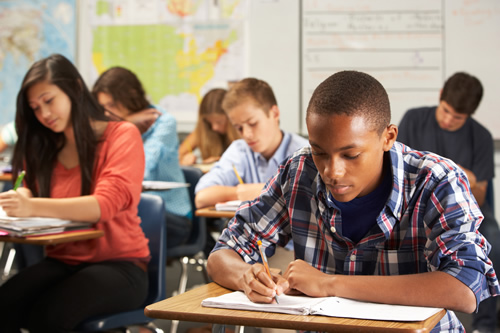
On a scholastic level, these neighborhoods urge joint discovering, enabling students to gain from diverse viewpoints and proficiency. Sharing knowledge and sources within a neighborhood can result in more reliable discovering end results and enhanced academic efficiency.
Furthermore, student neighborhoods supply a system for individual growth and self-discovery. By engaging with peers from different histories and disciplines, pupils gain a wider worldview, boosting their cultural competence and compassion. This direct exposure to varied point of views is important in establishing critical thinking and analytical skills.
Furthermore, energetic involvement in community activities can increase students’ confidence and self-worth. Taking on management duties or taking part in discussions and occasions promotes a sense of success and belonging, which is vital for general health and motivation.
Sorts Of Trainee Communities
Pupil neighborhoods can be found in various kinds, each accommodating various interests and objectives. These can be generally classified right into scholastic, social, entertainment, and specialist communities, among others. Each kind provides one-of-a-kind platforms and chances for pupil interaction.
- Academic Communities: These are typically centered around particular fields of study or academic rate of interests. Instances consist of study hall, honors societies, and department clubs.
- Cultural Communities: These groups concentrate on promoting cultural recognition and diversity, frequently arranging occasions and tasks to celebrate different customs.
- Recreational Communities: These include sports groups, recreational clubs, and hobby-based teams that offer a break from scholastic rigors and promote physical and mental health.
- Professional Communities: These are focused on job advancement, supplying networking chances, workshops, and mentorship programs to prepare pupils for the specialist globe.
By identifying and engaging with the right communities, trainees can customize their university experiences to line up with their rate of interests and occupation ambitions, paving the way for a fulfilling academic trip.
Constructing a Prospering Trainee Area
Producing and preserving a growing student area requires effort and collaboration from both pupils and universities. It begins with cultivating a comprehensive environment where all students feel invited and valued despite their histories.
Organizations can sustain this by giving sources and centers that urge communication and engagement. This consists of producing physical spaces like pupil unions and online platforms that facilitate communication and collaboration. Additionally, organizing events, workshops, and seminars can further improve involvement, offering trainees with chances to attach and learn from each other.
Leadership and Pupil Involvement
Reliable management is crucial in supporting a successful student neighborhood. Leadership roles within these neighborhoods use trainees a possibility to create and show their business and social abilities. Trainees that assume these duties contribute significantly to setting the tone and direction of their neighborhoods, influencing their peers favorably.
Motivating management and active involvement among trainees not only strengthens the area but additionally encourages individuals, preparing them for future obstacles. By cultivating a society of partnership and assistance, trainee areas can flourish, leaving an enduring impact on their participants and the academic environment as a whole.